



 English
  عربى
عربى  中文简体
中文简体

Reminder information

Aug 12, 2026
Content
Oilfield tubular components don't forgive imprecise machining. A Φ1000mm Oil Pipe Processing Lathe Machine is built specifically for that demand, turning, threading, and finishing large-diameter casing, tubing, and drill pipe up to roughly 1000mm without sacrificing the rigidity precision threading requires.
FIG.01Compared with a conventional lathe, this machine is built around a larger spindle through-hole, higher load-bearing capacity, a reinforced bed structure, and higher cutting torque, all sized to handle the size and weight of oilfield tubular goods. That structural difference is what lets it hold tolerance on components that will spend years under high pressure and heavy mechanical load.
Outer diameter turning and surface finishing bring raw pipe to size. Internal and external thread processing, including specialized oilfield connection threads, is what actually makes a joint seal reliably under pressure. Facing, chamfering, and grooving round out the end-processing work that gets a pipe ready for assembly, while the same machine also handles coupling and tool joint machining for critical connection components.
FIG.03The gap in usable diameter capacity is the entire reason this machine exists as a separate category rather than just a bigger version of a general-purpose lathe.
Illustrative Relative Machining Diameter Capacity Index
Illustrative Selection Priority (out of 10)
A Φ1000mm Oil Pipe Processing Lathe Machine and a general-purpose lathe aren't really competing for the same jobs. The comparison mostly confirms how specialized the tooling has to be once pipe diameter and wall pressure ratings increase.
| Main Application | Oil pipe and OCTG machining | General industrial machining |
| Processing Diameter | Large diameter pipes | Small and medium workpieces |
| Structure | Heavy-duty reinforced | Standard structure |
| Threading | Specialized pipe threading | General threading |
| Workpiece Weight | Heavy tubular components | Light to medium parts |
Columns left to right: Φ1000mm Oil Pipe Processing Lathe Machine, Standard Lathe Machine
FIG.06A machine rated for large diameter capacity still needs to match your specific thread pitch range and connection types, so check supported thread standards early rather than assuming compatibility from diameter specs alone.
FIG.08It's built to process large-diameter tubular components up to approximately 1000mm, including casing, tubing, and drill pipe.
Standard lathes lack the reinforced bed, spindle torque, and specialized threading system needed to hold accuracy on heavy tubular components under oilfield pressure and load requirements.
Yes. It performs outer diameter turning, surface finishing, and internal and external thread processing, including specialized oilfield connection threads.
Confirm maximum pipe diameter and length, supported thread standards and pitch range, machine rigidity, and available CNC automation functions.
Related Products
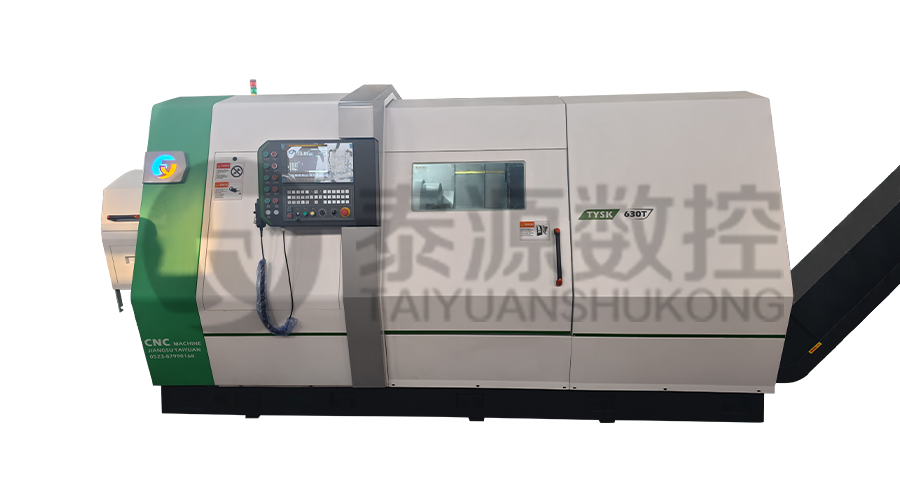 Model:TYSK-630T Drill Pipe, Joint & Coupling Lathe
The machine adopts a FANUC CNC system with stable processing accuracy and flexible programming functions to ensure that the processed parts meet strict industry standards. The high torque and heavy-load design can cope with long-term continuous work and has strong durability.
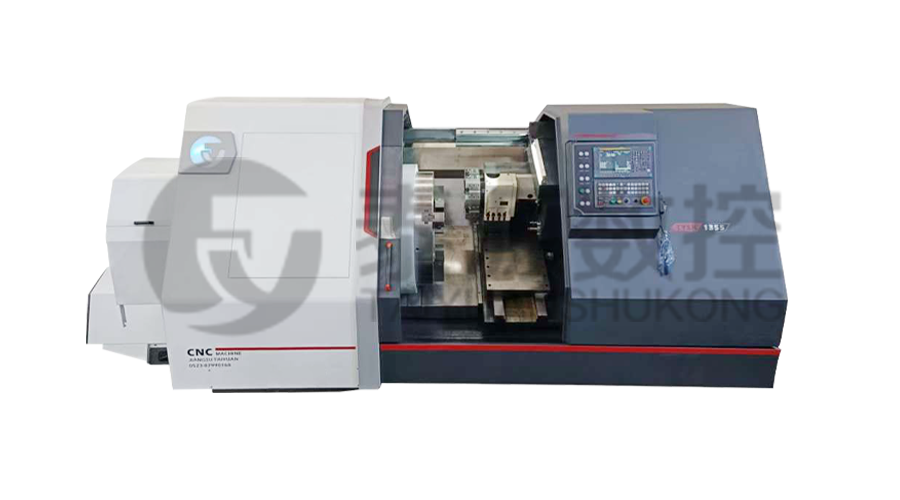
Model:TYSK-1355 Oil Pipe Processing Lathe
The machine adopts a FANUC CNC system with stable processing accuracy and flexible programming functions to ensure that the processed parts meet strict industry standards. The high torque and heavy-load design can cope with long-term continuous work and has strong durability.
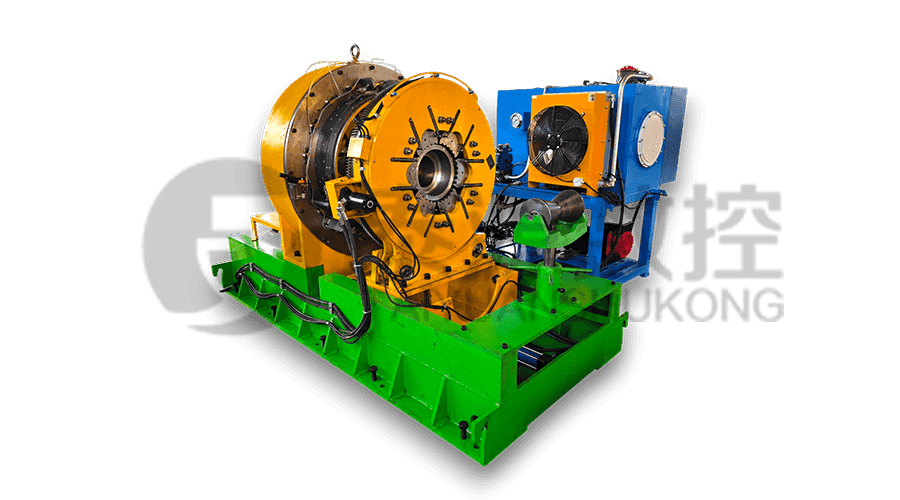 Series:TYSK-NKJ Screw-on machine/Casing and tubing coupling bucking unit
The machine uses a hydraulic motor, mechanical floating mechanism, and real-time torque detection, adapts to material bending, and prevents material deformation. Auxiliary machines are configured to help with semi-automation.
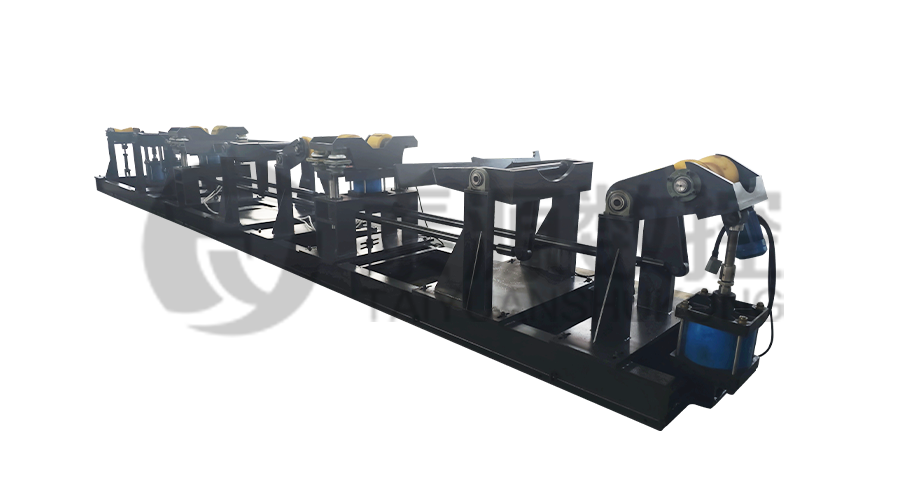 Long, heavy material solutions Automatic loading and unloading mechanism for pipe threading
The special flexible support mode can effectively reduce the influence of workpiece bending on processing and improve the yield. Strictly matching with our pipe threading lathe.
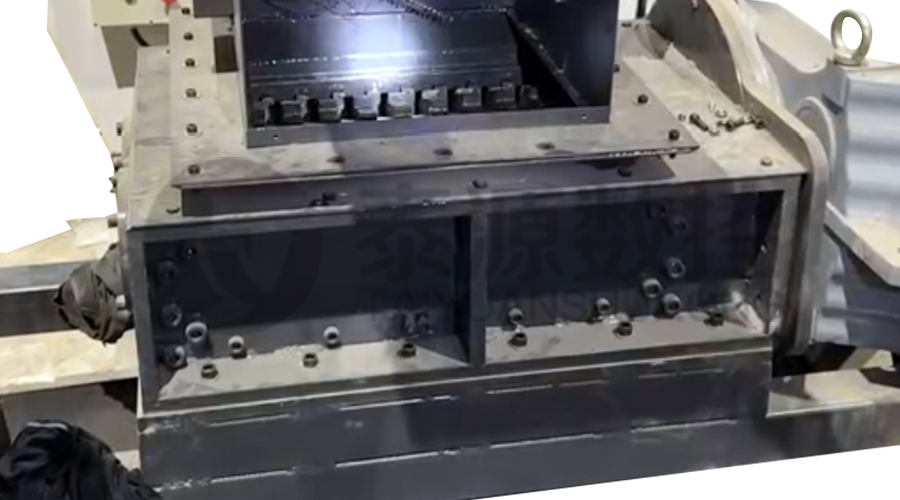 Modular Iron Chip Crusher High strength crusher for chip
The blades are made of high-strength materials and reasonably placed at the exit of the chip extractor to break the clump iron chips.Reduce the risk of rollback and improve waste frame utilization.
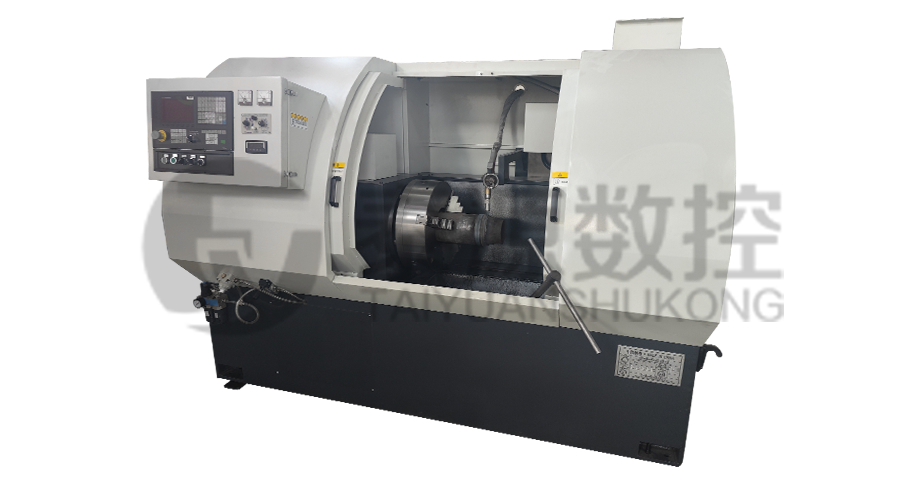 Series:TYSK-HB Semi-automatic wear-resistant band welder
Applicable to ARNCO 100XT, 200XT, 300XT. Support φ1.2-2.0 cored or solid wire surfacing welding.Can be equipped with single gun spray welding and double gun spray welding two ways. Support PLC or CNC system control.
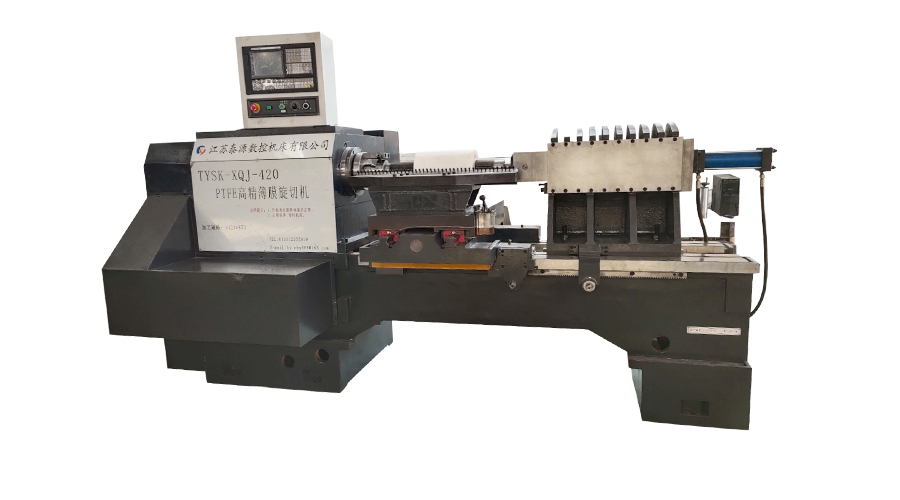 Model:TYSK-XQJ-550 Medium & Large PTFE Film Skiving Machine
Designed to process blanks with a maximum diameter of 550 mm and a maximum length of 1000 mm. We can also customize according to the needs of users. Friendly change speed and thickness with CNC.
