



 English
  عربى
عربى  中文简体
中文简体

Reminder information

Apr 27, 2026
Content
An Oil Drill Pipe is a high-strength, seamless steel conduit designed to transmit torque and facilitate the circulation of drilling fluid to the drill bit. It is the primary component of the drill string, engineered to withstand extreme axial tension, high internal pressure, and complex torsional loads encountered during deep-well exploration.
The performance of an Oil Drill Pipe depends on its three-part construction: the central pipe body and two end connectors known as tool joints. These components are joined through friction welding to ensure a metallurgical bond that can survive the rigors of the borehole.
The American Petroleum Institute (API) defines specific grades for drill pipes based on their yield strength. Selecting the correct grade is critical for preventing "twist-offs" or pipe failure at depth.
| API Grade | Minimum Yield Strength (psi) | Minimum Tensile Strength (psi) |
| E-75 | 75,000 | 100,000 |
| X-95 | 95,000 | 105,000 |
| G-105 | 105,000 | 115,000 |
| S-135 | 135,000 | 145,000 |
The integrity of the drill string is only as strong as its connections. Because tool joints must endure thousands of make-and-break cycles, the threads must be cut with extreme precision to prevent galling or pressure leaks. Specialized CNC machinery, such as an Oil Drill Pipe lathe, is used to ensure that the thread taper, lead, and depth meet API 5DP standards.
High-precision threading ensures:
Due to the corrosive and abrasive nature of drilling environments, pipes undergo regular inspection using Non-Destructive Testing (NDT) methods. This prevents catastrophic failures that could lead to "fishing" operations or well abandonment.
|
| Inspection Method | Target Defect | Criticality |
| Magnetic Particle (MPI) | Surface cracks in tool joints | High - prevents joint separation |
| Ultrasonic Testing (UT) | Wall thinning due to erosion | High - prevents burst or collapse |
| Visual Thread Inspection | Galling and mechanical damage | Medium - ensures connection seal |
To maximize the service life of an Oil Drill Pipe, field crews must adhere to strict handling protocols. Applying the correct amount of thread compound (dope) is essential to prevent metal-on-metal friction during makeup. Furthermore, maintaining a proper "drilling jar" sequence helps mitigate the effects of shock loads and vibrations that can prematurely fatigue the steel body. By managing these technical variables, operators can extend the lifecycle of their drill string assets and reduce overall drilling costs.
Related Products
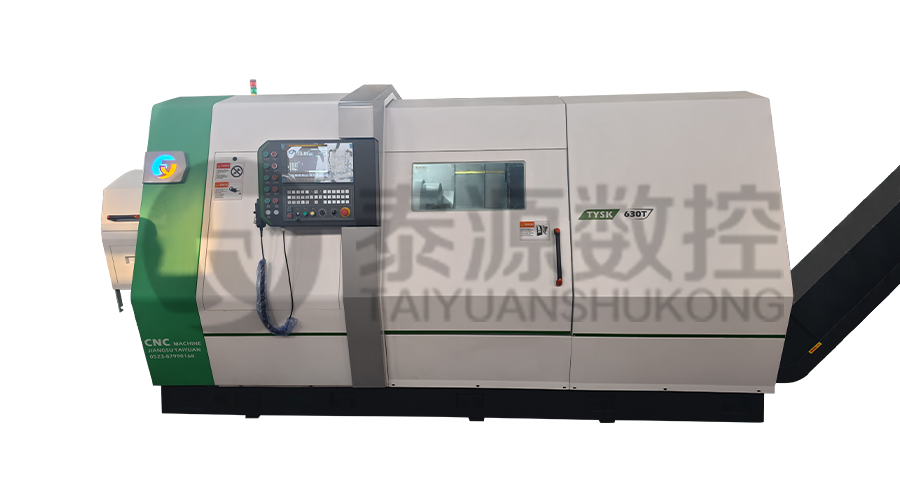 Model:TYSK-630T Drill Pipe, Joint & Coupling Lathe
The machine adopts a FANUC CNC system with stable processing accuracy and flexible programming functions to ensure that the processed parts meet strict industry standards. The high torque and heavy-load design can cope with long-term continuous work and has strong durability.
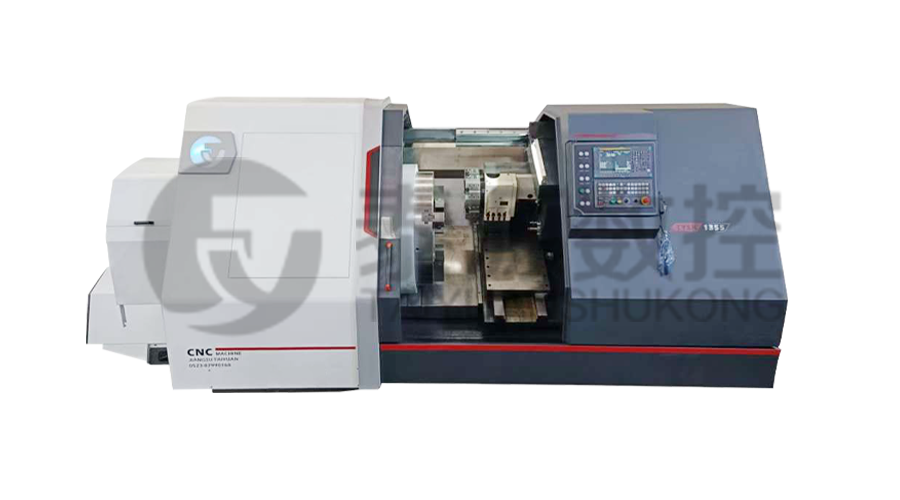 Model:TYSK-1355 Oil Pipe Processing Lathe
The machine adopts a FANUC CNC system with stable processing accuracy and flexible programming functions to ensure that the processed parts meet strict industry standards. The high torque and heavy-load design can cope with long-term continuous work and has strong durability.
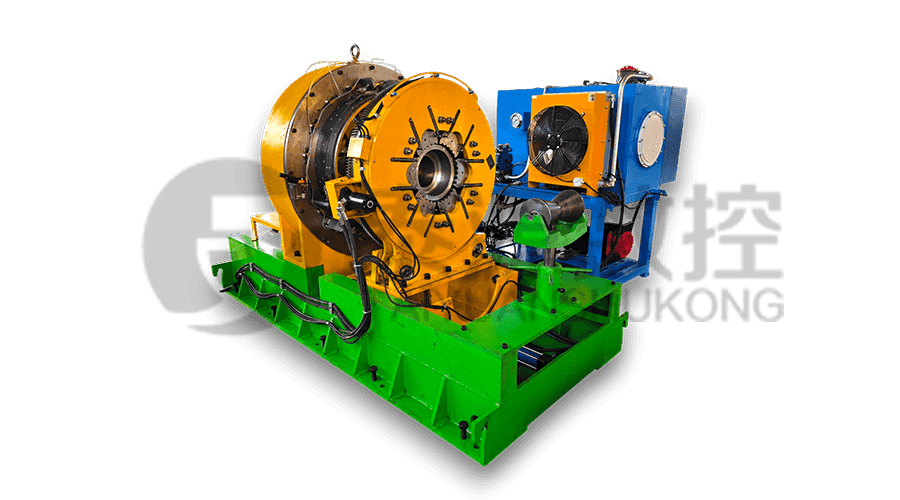 Series:TYSK-NKJ Screw-on machine/Casing and tubing coupling bucking unit
The machine uses a hydraulic motor, mechanical floating mechanism, and real-time torque detection, adapts to material bending, and prevents material deformation. Auxiliary machines are configured to help with semi-automation.
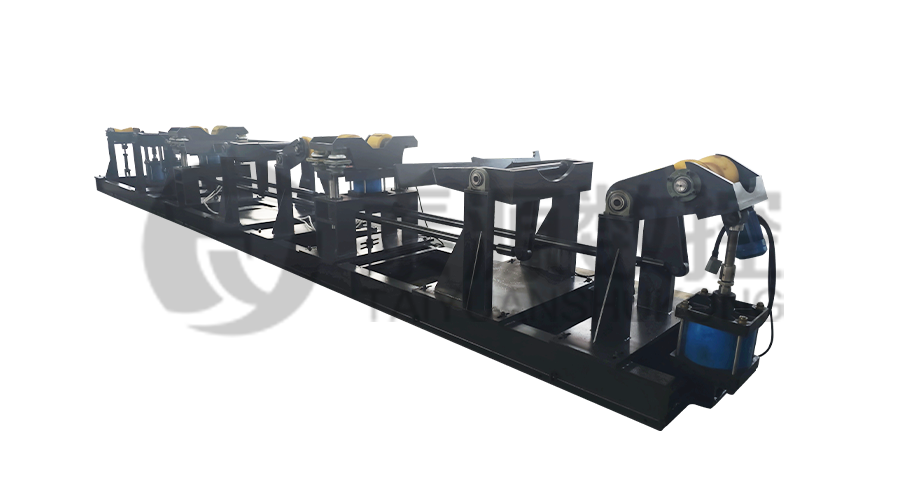 Long, heavy material solutions Automatic loading and unloading mechanism for pipe threading
The special flexible support mode can effectively reduce the influence of workpiece bending on processing and improve the yield. Strictly matching with our pipe threading lathe.
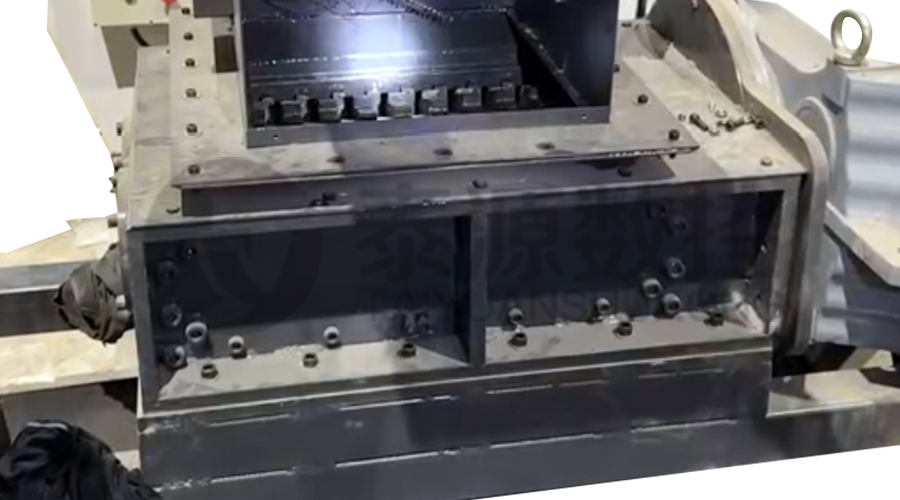 Modular Iron Chip Crusher High strength crusher for chip
The blades are made of high-strength materials and reasonably placed at the exit of the chip extractor to break the clump iron chips.Reduce the risk of rollback and improve waste frame utilization.
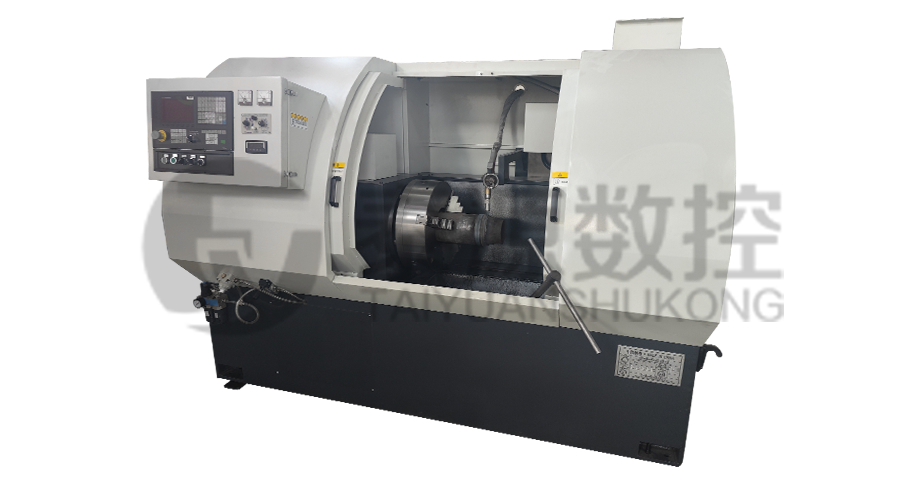 Series:TYSK-HB Semi-automatic wear-resistant band welder
Applicable to ARNCO 100XT, 200XT, 300XT. Support φ1.2-2.0 cored or solid wire surfacing welding.Can be equipped with single gun spray welding and double gun spray welding two ways. Support PLC or CNC system control.
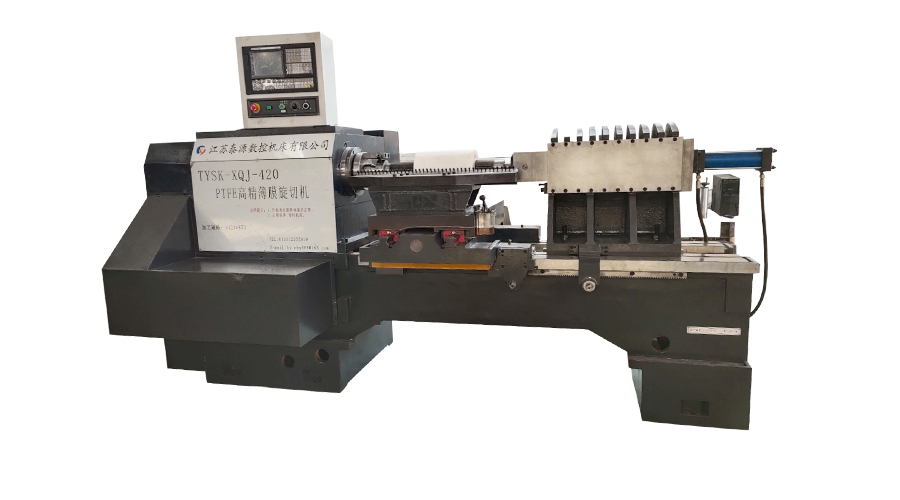 Model:TYSK-XQJ-550 Medium & Large PTFE Film Skiving Machine
Designed to process blanks with a maximum diameter of 550 mm and a maximum length of 1000 mm. We can also customize according to the needs of users. Friendly change speed and thickness with CNC.
