



 English
  عربى
عربى  中文简体
中文简体

Reminder information

Jul 30, 2026
Content
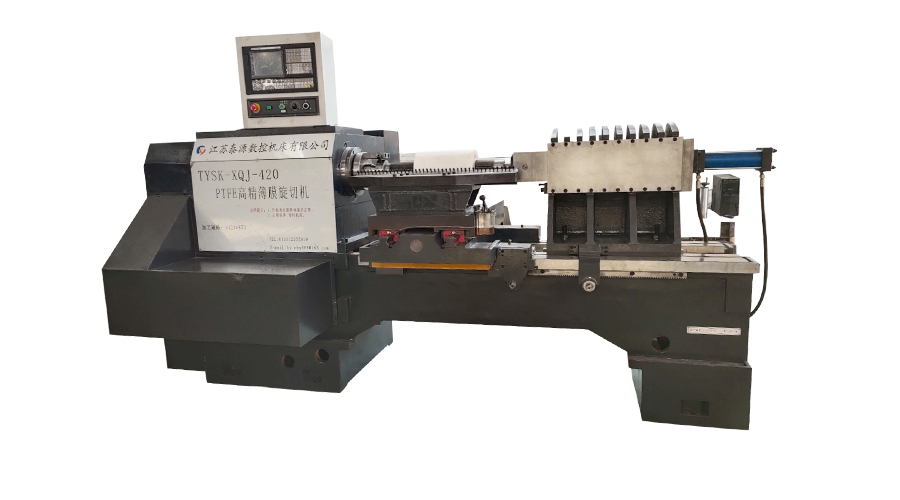
Turning a solid PTFE rod into a film only a few microns thick takes more than a sharp blade. A PTFE film skiving machine combines controlled rotation, precise blade positioning, and continuous take-up to produce film with the thickness uniformity that electronics, medical, and chemical processing applications demand.
The machine clamps a PTFE rod or billet and rotates it at a controlled speed while a precision blade shaves off a continuous, ultra-thin layer from the rotating surface. The resulting film is wound onto a take-up roll and inspected for thickness and surface consistency before packaging.
Compared with extrusion or molding, skiving delivers a level of thickness control and surface finish that is difficult to match by other methods.
Electronics manufacturers use skived PTFE film for circuit board insulation and high-frequency component layers, while electrical equipment makers rely on it for wire, cable, and high-voltage insulation. Medical device production draws on its biocompatibility and thin, consistent cross-section, chemical processing plants use it for corrosion-resistant linings and seals, and aerospace applications call on it wherever lightweight, high-temperature insulation is required.
| Factor | Skiving Machine | Extrusion Machine |
| Processing method | Precision cutting | Material extrusion |
| Film thickness | Extremely thin | Depends on die design |
| Surface quality | High precision finish | Varies by process |
| Starting material | PTFE rod or billet | PTFE compound |
Start with the rod diameter and volume the line needs to process, then confirm the machine's achievable film thickness range covers the specification you need. Weigh precision and surface quality requirements against automation level, since a fully CNC-controlled machine holds tighter tolerances with less manual adjustment, and factor in the throughput needed to hit production targets.
For electronics, medical, and chemical processing applications where thickness consistency cannot be compromised, a properly specified PTFE film skiving machine remains the more precise production method compared with extrusion or molding alternatives.
Related Products
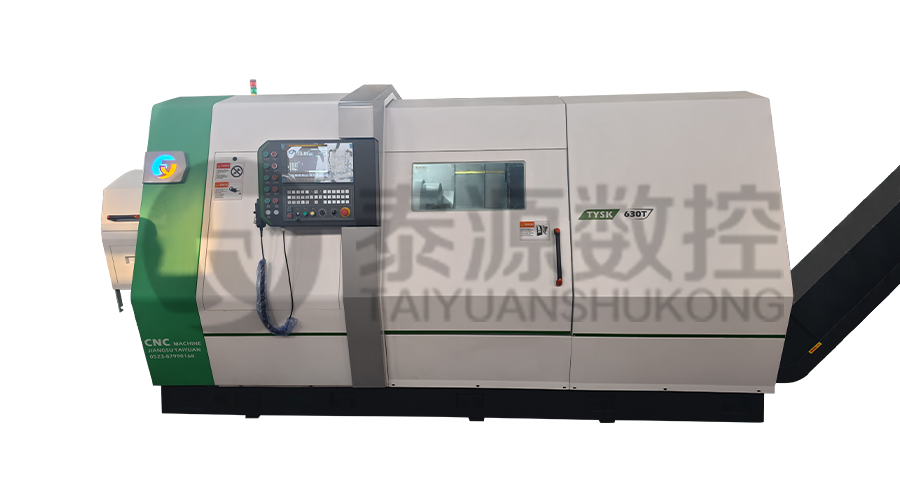 Model:TYSK-630T Drill Pipe, Joint & Coupling Lathe
The machine adopts a FANUC CNC system with stable processing accuracy and flexible programming functions to ensure that the processed parts meet strict industry standards. The high torque and heavy-load design can cope with long-term continuous work and has strong durability.
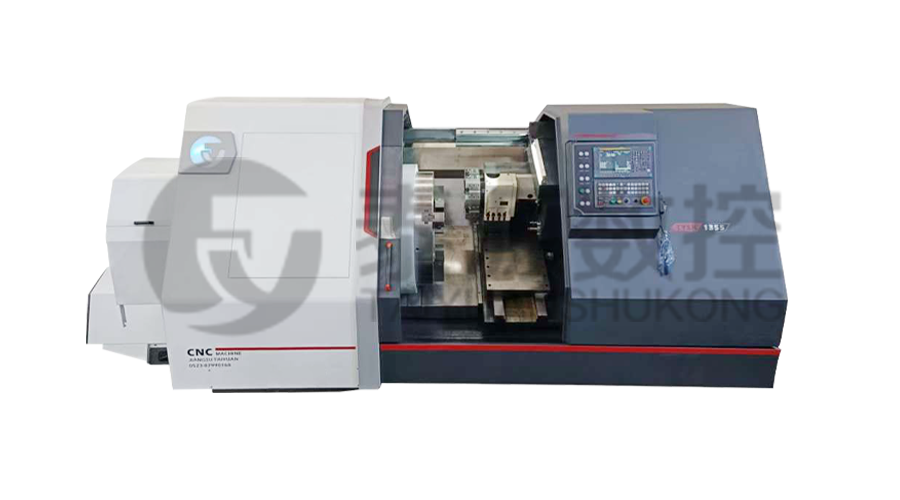 Model:TYSK-1355 Oil Pipe Processing Lathe
The machine adopts a FANUC CNC system with stable processing accuracy and flexible programming functions to ensure that the processed parts meet strict industry standards. The high torque and heavy-load design can cope with long-term continuous work and has strong durability.
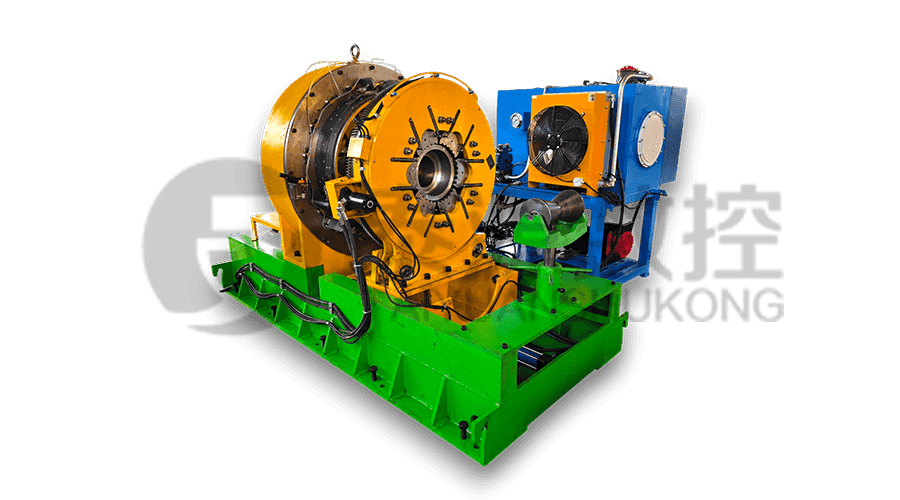 Series:TYSK-NKJ Screw-on machine/Casing and tubing coupling bucking unit
The machine uses a hydraulic motor, mechanical floating mechanism, and real-time torque detection, adapts to material bending, and prevents material deformation. Auxiliary machines are configured to help with semi-automation.
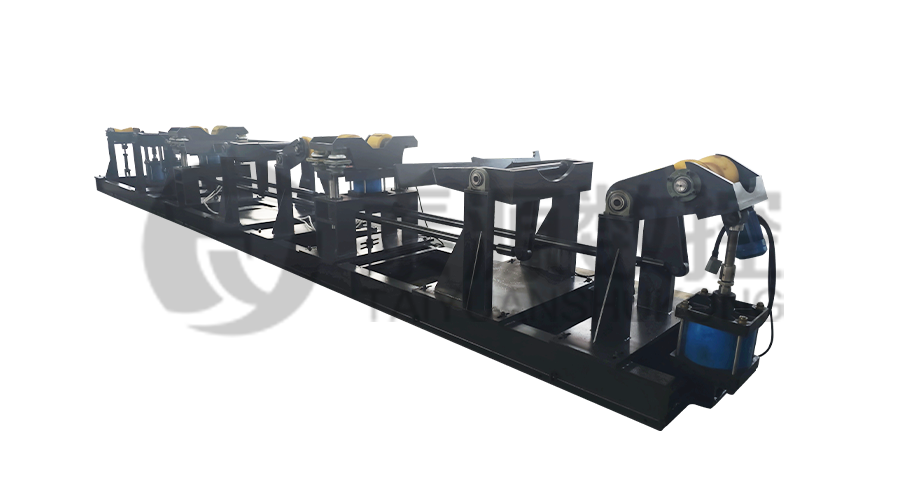 Long, heavy material solutions Automatic loading and unloading mechanism for pipe threading
The special flexible support mode can effectively reduce the influence of workpiece bending on processing and improve the yield. Strictly matching with our pipe threading lathe.
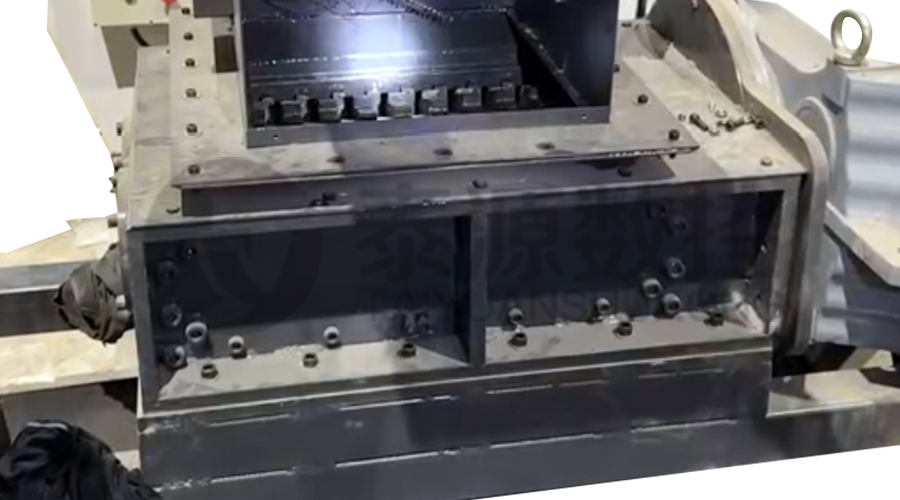 Modular Iron Chip Crusher High strength crusher for chip
The blades are made of high-strength materials and reasonably placed at the exit of the chip extractor to break the clump iron chips.Reduce the risk of rollback and improve waste frame utilization.
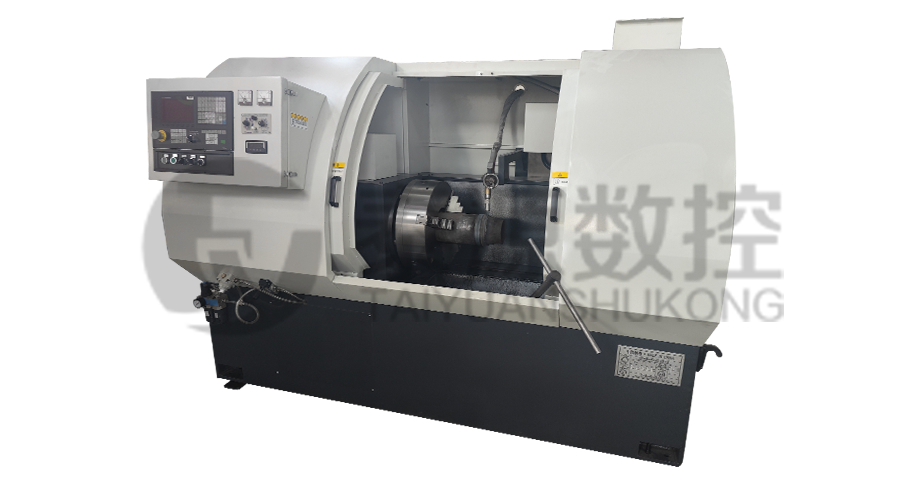 Series:TYSK-HB Semi-automatic wear-resistant band welder
Applicable to ARNCO 100XT, 200XT, 300XT. Support φ1.2-2.0 cored or solid wire surfacing welding.Can be equipped with single gun spray welding and double gun spray welding two ways. Support PLC or CNC system control.
Model:TYSK-XQJ-550 Medium & Large PTFE Film Skiving Machine
Designed to process blanks with a maximum diameter of 550 mm and a maximum length of 1000 mm. We can also customize according to the needs of users. Friendly change speed and thickness with CNC.
