



 English
  عربى
عربى  中文简体
中文简体

Reminder information

Jul 23, 2026
Content
Manual hardfacing cannot hold consistent bead overlap across long wear strips, and inconsistent overlap is exactly where premature wear starts. A semi automatic wear strip welding machine replaces that variability with repeatable torch travel, controlled wire feed, and predictable surface hardness — the difference between a wear part that lasts one season and one that lasts three.
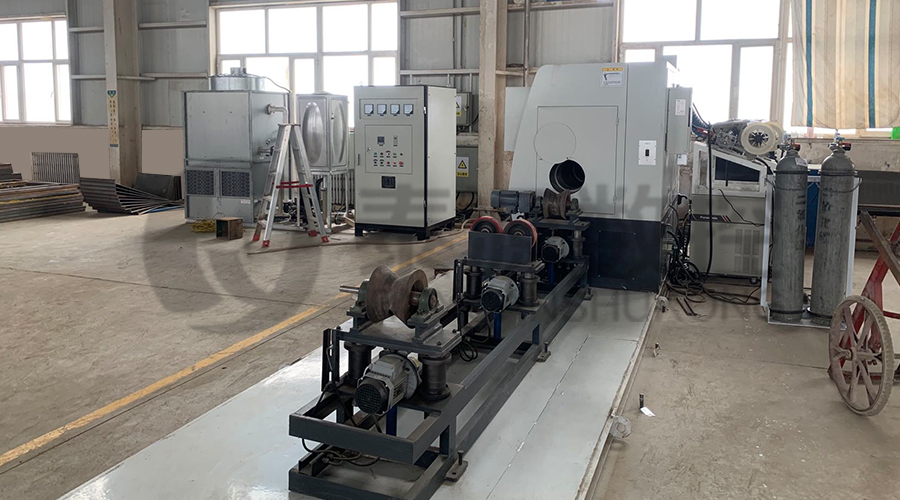
The system pairs a motorized carriage with a wire feed unit and torch head to deposit hardfacing material along a wear strip at controlled speed and overlap. Operators set travel path and parameters through the control panel, while the machine executes the pass mechanically — removing the hand-speed and hand-angle variation that causes uneven build-up in manual welding.
Two wire types are supported depending on the application: flux cored wire for higher deposition rates and self-shielding capability, and solid welding wire for cleaner finishes on lighter-duty wear surfaces.
Buyers evaluating a semi automatic wear strip welding machine should confirm compatibility with existing welding systems, required wire diameter range, expected production volume, and whether PLC or CNC control is needed for the application. Workpiece size and site conditions should also be matched against torch configuration before finalizing a specification.
As hardfacing demands grow across drilling, mining, and construction equipment, automated welding control is becoming the standard rather than the exception. Machines that combine flexible wire compatibility with programmable control give manufacturers a repeatable path to longer-lasting, better-protected industrial components.
Related Products
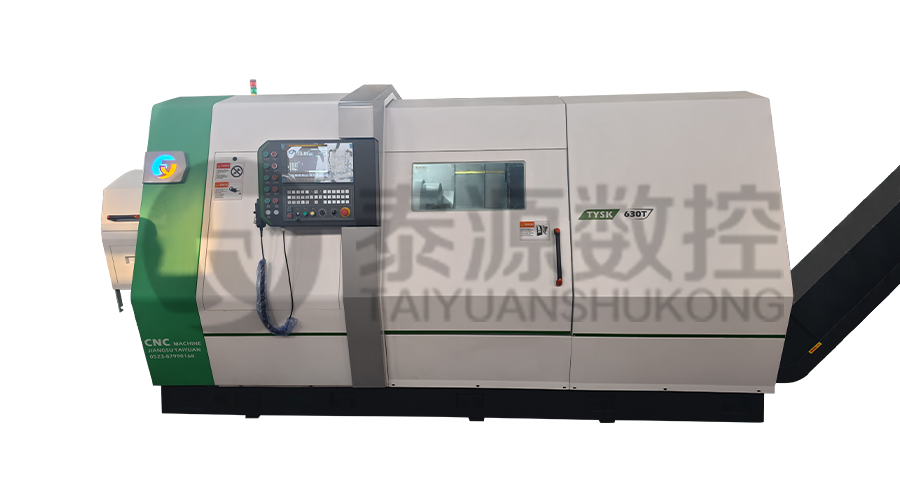 Model:TYSK-630T Drill Pipe, Joint & Coupling Lathe
The machine adopts a FANUC CNC system with stable processing accuracy and flexible programming functions to ensure that the processed parts meet strict industry standards. The high torque and heavy-load design can cope with long-term continuous work and has strong durability.
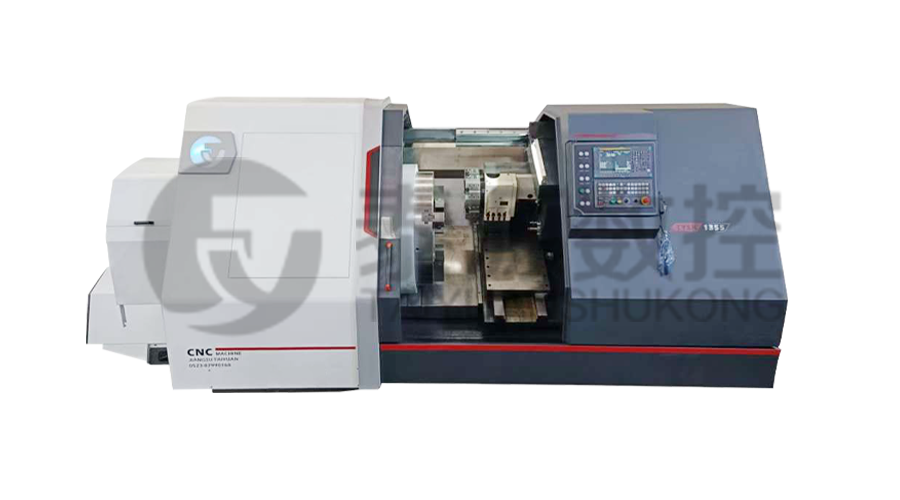 Model:TYSK-1355 Oil Pipe Processing Lathe
The machine adopts a FANUC CNC system with stable processing accuracy and flexible programming functions to ensure that the processed parts meet strict industry standards. The high torque and heavy-load design can cope with long-term continuous work and has strong durability.
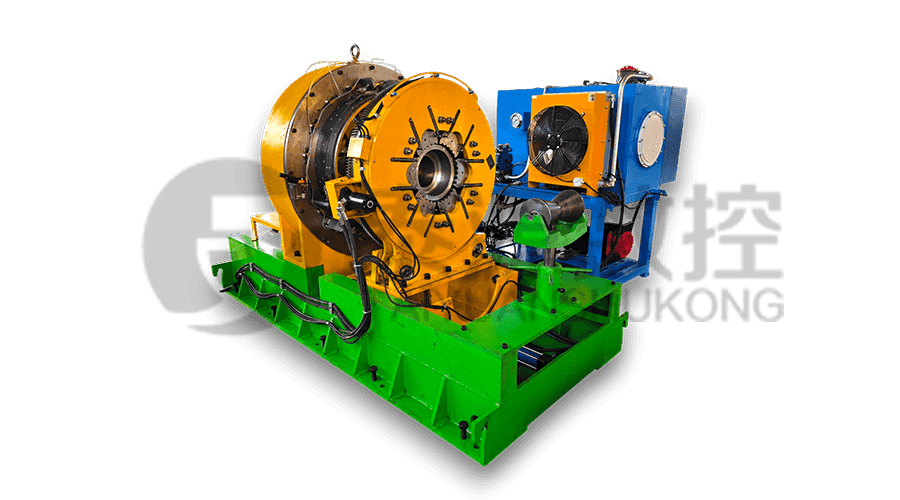 Series:TYSK-NKJ Screw-on machine/Casing and tubing coupling bucking unit
The machine uses a hydraulic motor, mechanical floating mechanism, and real-time torque detection, adapts to material bending, and prevents material deformation. Auxiliary machines are configured to help with semi-automation.
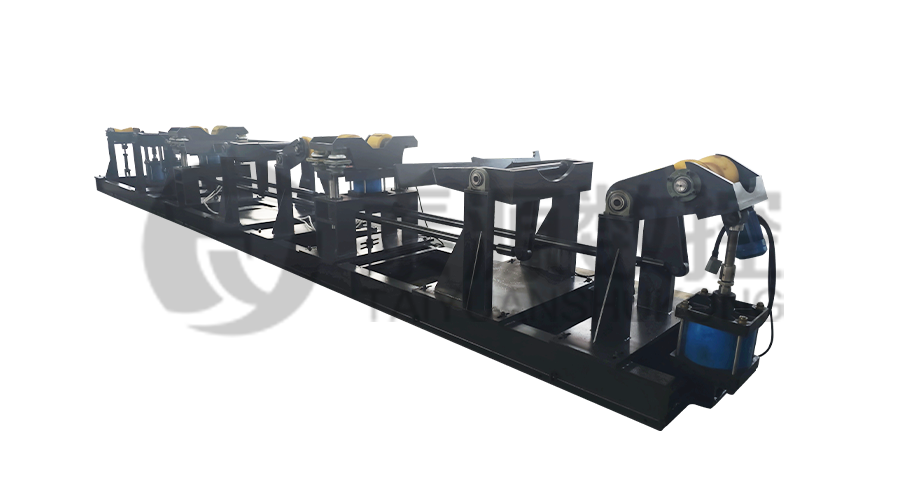 Long, heavy material solutions Automatic loading and unloading mechanism for pipe threading
The special flexible support mode can effectively reduce the influence of workpiece bending on processing and improve the yield. Strictly matching with our pipe threading lathe.
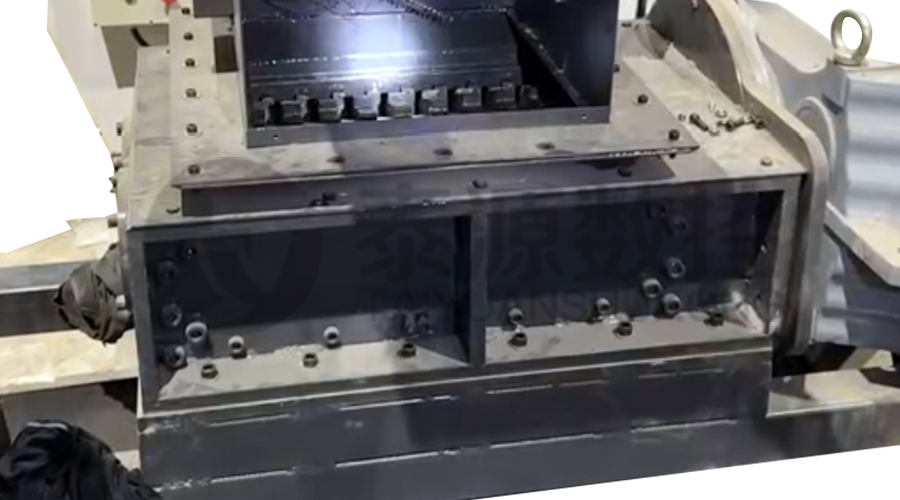 Modular Iron Chip Crusher High strength crusher for chip
The blades are made of high-strength materials and reasonably placed at the exit of the chip extractor to break the clump iron chips.Reduce the risk of rollback and improve waste frame utilization.
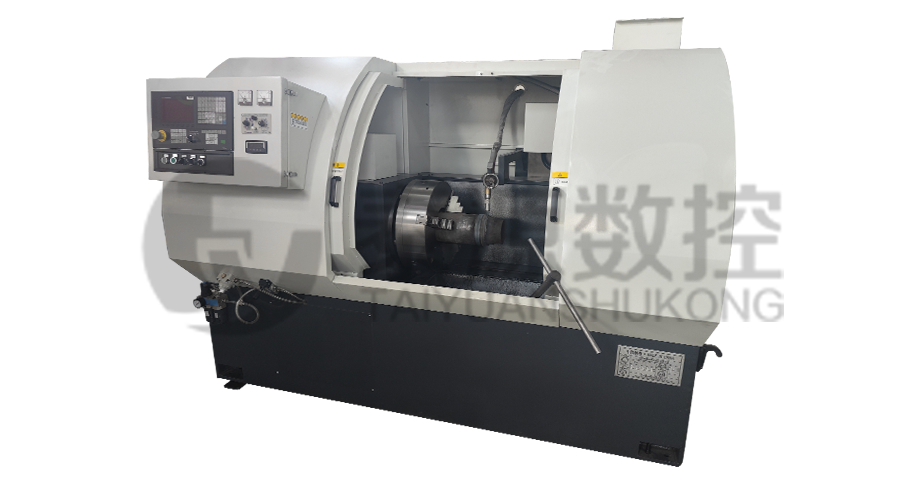 Series:TYSK-HB Semi-automatic wear-resistant band welder
Applicable to ARNCO 100XT, 200XT, 300XT. Support φ1.2-2.0 cored or solid wire surfacing welding.Can be equipped with single gun spray welding and double gun spray welding two ways. Support PLC or CNC system control.
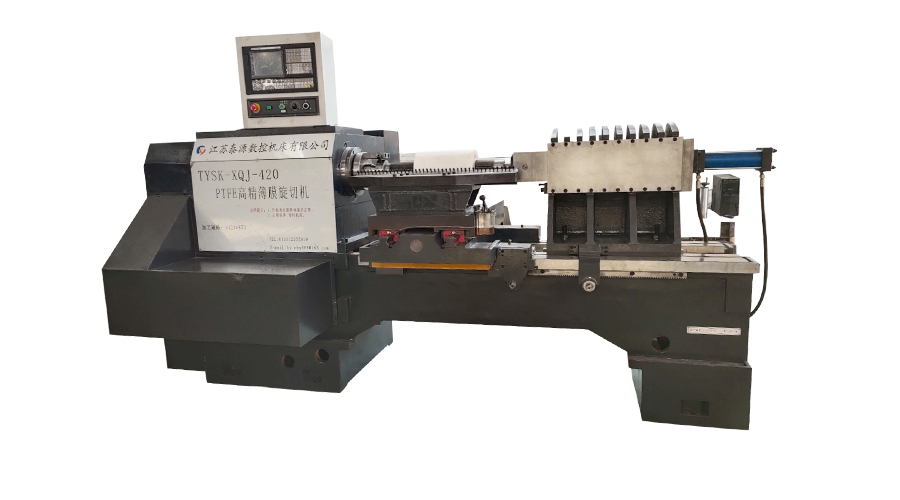 Model:TYSK-XQJ-550 Medium & Large PTFE Film Skiving Machine
Designed to process blanks with a maximum diameter of 550 mm and a maximum length of 1000 mm. We can also customize according to the needs of users. Friendly change speed and thickness with CNC.
