



 English
  عربى
عربى  中文简体
中文简体

Reminder information

Jul 03, 2026
Content
Pipe connection integrity on a drilling rig or well service unit depends on precise, repeatable torque control — get it wrong, and thread damage or an under-torqued joint can compromise the entire string. A Screw-on Machine, also known as a Casing and Tubing Coupling Bucking Unit, is built to bring that precision to casing and tubing make-up, replacing manual tong work with controlled, monitored torque application. For drilling contractors, well service companies, and equipment distributors, understanding the different bucking unit configurations and what separates a reliable system from a marginal one is central to safe, efficient pipe handling operations.
Bucking units are built around different drive systems and torque delivery methods, each suited to specific rig configurations and pipe sizes.
Uses hydraulic power to deliver controlled, repeatable torque, commonly favored for its consistency across repeated make-up cycles.
Configured for the larger diameter and higher torque requirements typical of casing string connections.
Sized and calibrated for smaller-diameter tubing connections, where torque precision matters as much as raw output.
The broader category covering powered make-up and break-out equipment used across casing, tubing, and drill pipe operations.
| Unit Type | Drive System | Typical Use |
|---|---|---|
| Hydraulic Bucking Machine | Hydraulic power unit | Repeated high-precision make-up cycles |
| Casing Make-Up Machine | Hydraulic or mechanical | Casing string assembly |
| Tubing Make-Up Unit | Hydraulic, precision-calibrated | Tubing string assembly |
Bucking units are specified anywhere pipe connections need controlled, monitored torque rather than manual tong assembly.
Assembling casing strings during well construction, where consistent torque helps maintain connection integrity under downhole loads.
Production tubing make-up benefits from precise torque control to avoid both under- and over-tightened connections.
Integrated into rig floor operations to speed up connection cycles while maintaining torque accuracy and operator safety.
Completion operations rely on reliable make-up equipment as part of broader downhole tool assembly workflows.
Maintenance and workover operations use bucking units for consistent, repeatable pipe connection work in the field.
Not all bucking units offer the same reliability under continuous field use. These are the properties worth verifying before procurement.
The unit's torque output capacity should comfortably cover the range required by the pipe sizes and connection types it will be used on, with margin for variation in field conditions.
Accurate alignment between the pipe and coupling during make-up reduces the risk of cross-threading, which can damage both the pipe and the connection's sealing integrity.
Consistent, well-regulated hydraulic pressure is what allows the unit to apply repeatable torque values across many connection cycles, rather than drifting over time.
Clamping and drive components designed to minimize surface damage to the pipe and coupling help protect thread integrity throughout repeated use.
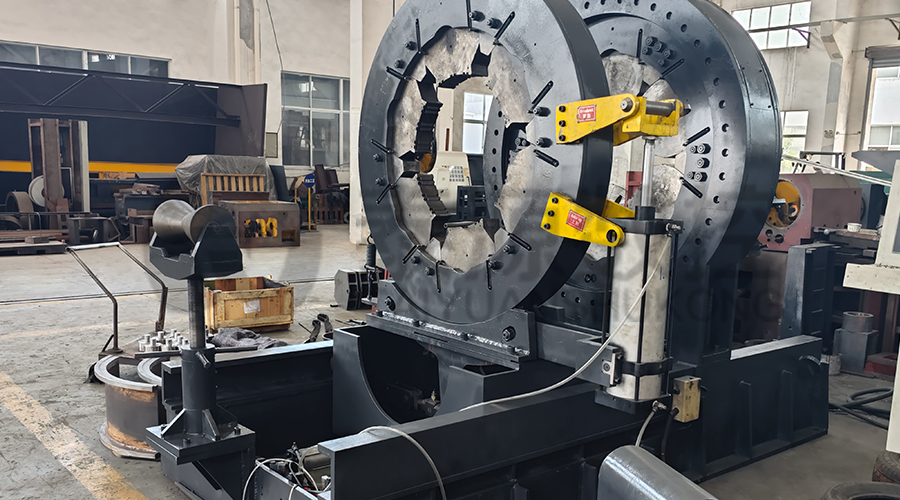
Understanding how a bucking unit is structured helps operators run it safely and efficiently on the rig floor.
Powers the rotational and clamping functions, with pressure regulated to deliver consistent torque throughout the make-up cycle.
Provides the operator interface for setting torque parameters and monitoring the make-up process in real time.
Secures the pipe and coupling in position during rotation, keeping alignment stable throughout the torque application.
Tracks torque values through the connection cycle, helping confirm each joint is made up within the specified range.
Selecting the right casing and tubing coupling bucking unit means matching torque output and drive system to your pipe sizes and connection requirements, then verifying alignment precision and monitoring capability before committing to a purchase. Torque precision and operational safety aren't separate considerations — a unit that delivers accurate torque while protecting thread integrity is what keeps both the connection and the crew working reliably.
Related Products
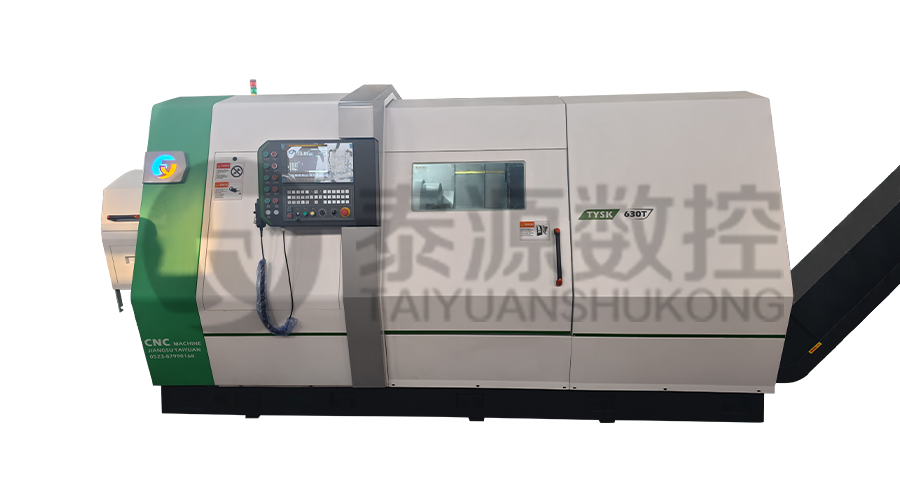 Model:TYSK-630T Drill Pipe, Joint & Coupling Lathe
The machine adopts a FANUC CNC system with stable processing accuracy and flexible programming functions to ensure that the processed parts meet strict industry standards. The high torque and heavy-load design can cope with long-term continuous work and has strong durability.
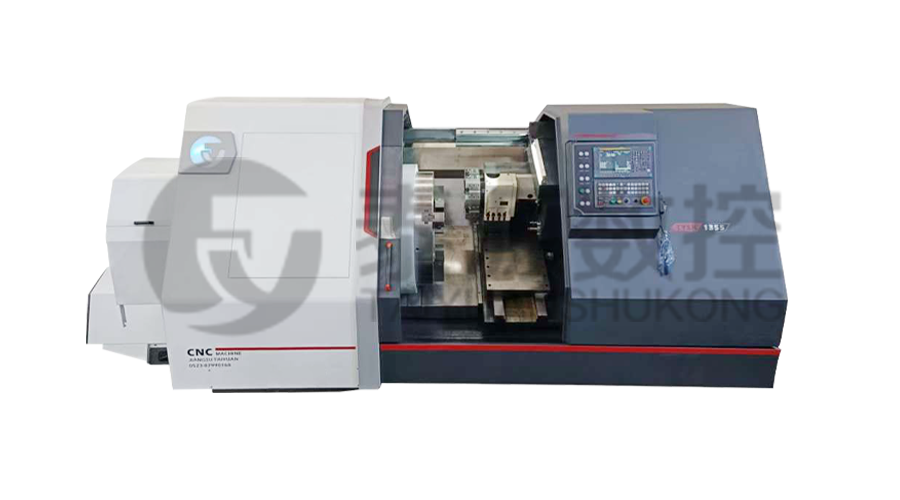 Model:TYSK-1355 Oil Pipe Processing Lathe
The machine adopts a FANUC CNC system with stable processing accuracy and flexible programming functions to ensure that the processed parts meet strict industry standards. The high torque and heavy-load design can cope with long-term continuous work and has strong durability.
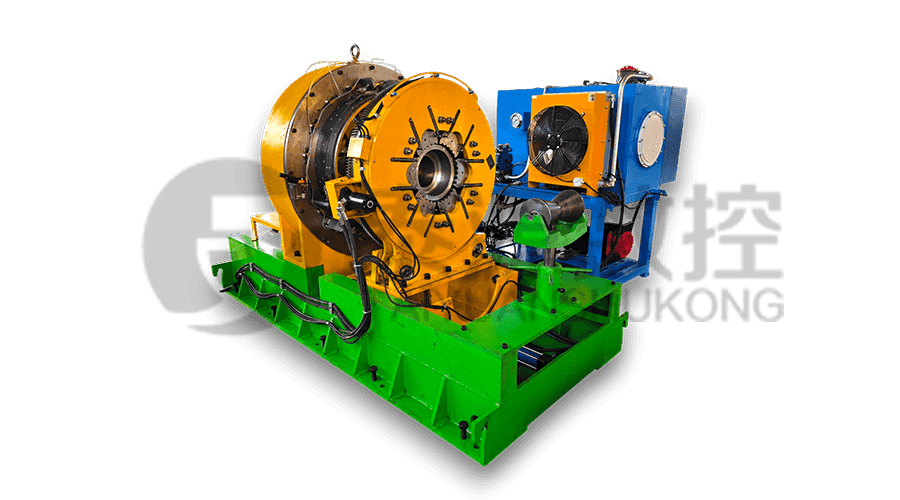 Series:TYSK-NKJ Screw-on machine/Casing and tubing coupling bucking unit
The machine uses a hydraulic motor, mechanical floating mechanism, and real-time torque detection, adapts to material bending, and prevents material deformation. Auxiliary machines are configured to help with semi-automation.
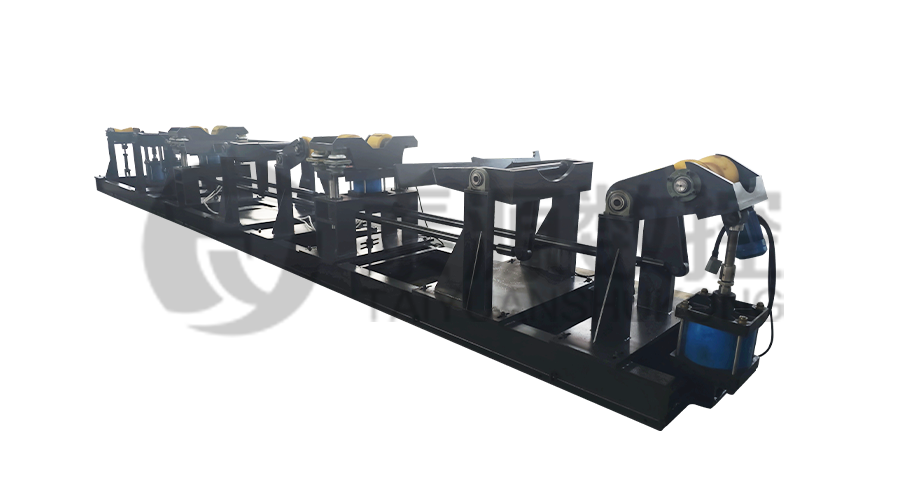 Long, heavy material solutions Automatic loading and unloading mechanism for pipe threading
The special flexible support mode can effectively reduce the influence of workpiece bending on processing and improve the yield. Strictly matching with our pipe threading lathe.
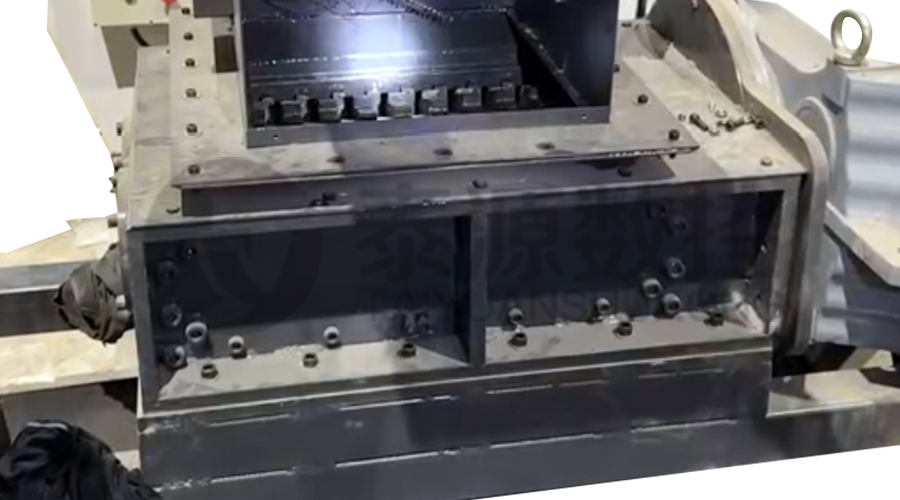 Modular Iron Chip Crusher High strength crusher for chip
The blades are made of high-strength materials and reasonably placed at the exit of the chip extractor to break the clump iron chips.Reduce the risk of rollback and improve waste frame utilization.
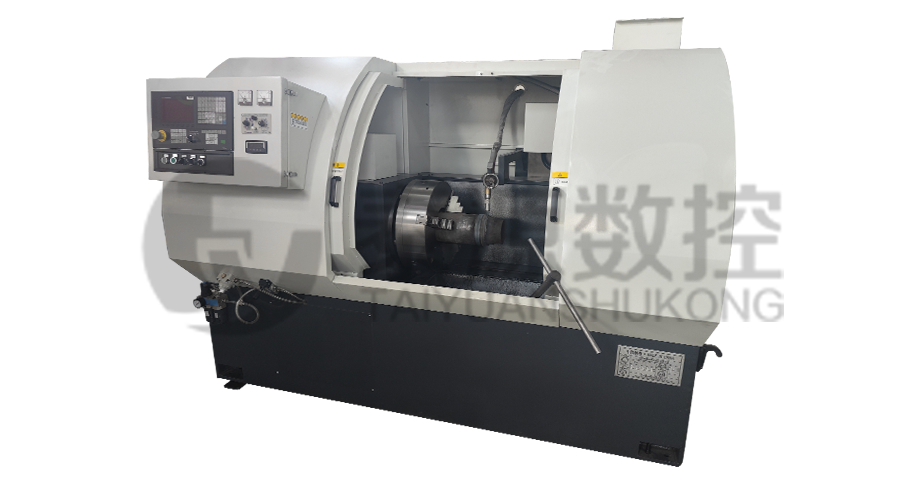 Series:TYSK-HB Semi-automatic wear-resistant band welder
Applicable to ARNCO 100XT, 200XT, 300XT. Support φ1.2-2.0 cored or solid wire surfacing welding.Can be equipped with single gun spray welding and double gun spray welding two ways. Support PLC or CNC system control.
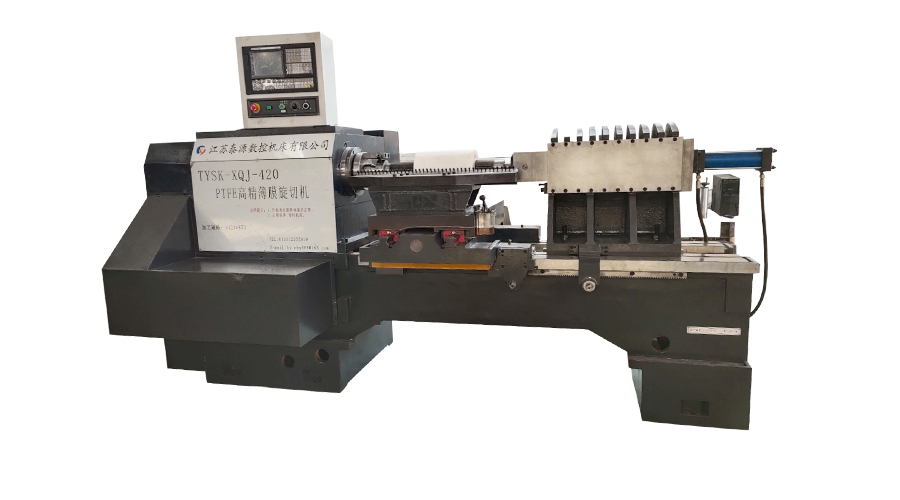 Model:TYSK-XQJ-550 Medium & Large PTFE Film Skiving Machine
Designed to process blanks with a maximum diameter of 550 mm and a maximum length of 1000 mm. We can also customize according to the needs of users. Friendly change speed and thickness with CNC.
